Common access problems for council flats rubbish collection
Posted on 29/06/2026
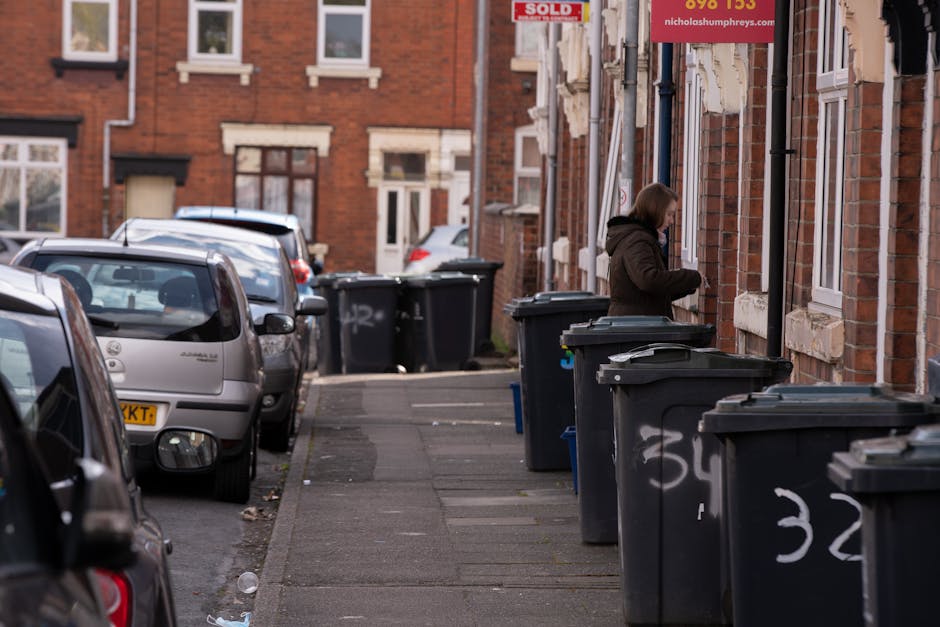
Rubbish collection in council flats sounds simple enough until the bin store is locked, the lift is out of order, or a bulky item blocks the only exit route. Then the whole job can stall. If you manage a flat, a block, or a letting property, common access problems for council flats rubbish collection are rarely just an inconvenience; they can lead to missed collections, overflowing waste, frustrated residents, and avoidable complaints. The good news is that most access issues are predictable, and once you know what to look for, they are much easier to prevent.
This guide walks through the practical realities: what usually goes wrong, why it matters, how collections are typically handled, and what you can do to keep things moving. You will also find a checklist, a comparison table, and a few grounded examples from real-world situations that feel uncomfortably familiar if you have ever tried to wheel a sack trolley through a narrow stairwell at 7:30 a.m. on a damp Tuesday. Let's face it, access is often the whole game.
Why Common access problems for council flats rubbish collection Matters
Access issues matter because council flats are often designed around security, shared responsibility, and dense living. That is sensible from a housing point of view, but it can make waste removal trickier than it looks from the street. A collection team may need keys, codes, a clear route through a yard, permission to use a lift, or enough turning space to move bulky waste without damaging walls and handrails. If any of those parts fail, rubbish can stay where it is. And once waste starts sitting around, the knock-on effects show up fast.
Overflowing bags attract pests, create odours, and can make a block feel neglected very quickly. In warmer weather, that smell can hit you as soon as the communal door opens. In winter, wet cardboard and broken bags turn into a slippery mess. Residents then start leaving waste beside bins, because the bins are full, because the store is blocked, because nobody quite knows whose turn it is. It snowballs.
There is also a practical cost. Missed access often means missed collections, rescheduling, extra handling, or a need for a separate bulky waste solution. If the waste is from a renovation, a move, or a flat clearance, delays can become genuinely stressful. A blocked route may even stop a whole estate from being serviced on time, which is why a lot of landlords and residents now plan access almost as carefully as the collection itself.
If you are looking to understand how a wider rubbish service fits together, the services overview is a useful starting point. For people dealing with day-to-day household waste rather than one-off clearances, the page on domestic waste collection gives a good sense of what reliable collection support should look like.
How Common access problems for council flats rubbish collection Works
At a basic level, rubbish collection relies on two things: the waste must be ready, and the collection crew must be able to reach it safely. In council flats, that usually means a shared bin store, external bins, or a designated pickup point. Access problems happen when the route between those points and the vehicle is blocked, restricted, unclear, or unsafe.
Here is the bit that people sometimes miss: access is not only about a locked gate. It can involve timing, permissions, vehicle size, parking restrictions, building layout, tenant cooperation, and whether the collection point can actually be reached without manual lifting through awkward spaces. A narrow service road that looks fine in daylight can become unusable once cars are parked along both sides. A bin store that was easy to use during planning works well enough on paper, yet becomes difficult if residents keep leaving bags in front of the doors. Simple on the surface. Not simple in practice.
In many blocks, the collection process depends on a few standard steps:
- Waste is bagged, sorted, and placed in the correct communal or designated area.
- Access routes are kept clear for residents and crews.
- Doors, gates, or bin store entry points are opened in time.
- The crew or contractor moves waste from the pickup point to the vehicle.
- Any bulky items, white goods, or mixed waste are handled under the right method.
Where it starts to fail is usually one of three places: the building route, the external approach, or the timing. For example, if a lift is too small for a mattress and the stairs are obstructed, the item may need to be moved in a different way. If the estate road is blocked by parked cars, the team may not be able to get close enough to collect safely. If a keyholder is not available when needed, the collection can't proceed. It sounds obvious, but you only need one weak point to break the whole chain.
For larger items that do not fit the usual flow, the pages on furniture removal and appliance disposal are relevant because bulky waste often triggers the most access trouble. If the item has to be dismantled, carried down several flights, or manoeuvred through a shared corridor, the access plan becomes just as important as the item itself.
Key Benefits and Practical Advantages
Getting access right is not just about avoiding frustration. It creates a cleaner, calmer block and saves time for everyone involved. The benefits are practical, and in our experience they show up quickly once the basics are handled properly.
- Fewer missed collections: A clear route and known access point reduce the chances of waste being left behind.
- Better hygiene: Waste does not sit around long enough to smell, leak, or attract vermin.
- Less resident conflict: People are less likely to argue over who left what where, which sounds minor until it isn't.
- Safer handling: Crews can move items without rushing, squeezing through tight gaps, or lifting awkwardly.
- More predictable service: Once access arrangements are understood, repeat collections become much smoother.
There is also a quieter benefit: confidence. Residents notice when rubbish disappears properly and on time. It makes the block feel managed rather than neglected. That feeling matters in council flats because shared spaces are, by nature, shared responsibility. One person's missed collection becomes everybody's problem pretty fast.
If you are dealing with repeated overflow, it can be worth looking at broader waste removal support rather than only relying on standard collection timing. In situations involving mixed household clear-outs, house clearance can be the more practical route, especially where access needs planning before the team arrives.
Who This Is For and When It Makes Sense
This topic is relevant to a surprisingly wide group of people. If you live in a council flat, manage a block, support residents, or arrange removals for tenants, access problems can affect you directly.
- Residents: Especially if you are trying to dispose of bulky items, old furniture, or a few years' worth of clutter after a move.
- Housing officers and estate managers: You may need to keep shared bin areas functioning for many households at once.
- Landlords and letting agents: End-of-tenancy waste often exposes weak access arrangements very quickly.
- Caregivers and family members: If you are helping a relative clear a flat, a poor access plan can turn a simple job into a very long day.
- Contractors and removal teams: You need to know whether access is straightforward, restricted, or likely to require extra labour.
It also makes sense to think about access in advance when you know the waste will be awkward. That includes furniture, mattresses, white goods, renovation debris, garden waste carried from balconies or shared outdoor areas, and loft or storage clear-outs. If the item is large, heavy, sharp, dirty, or simply awkward, ask yourself: how exactly will it get from flat to vehicle without making a scene in the stairwell?
For mixed projects, the supporting pages on furniture disposal and builders waste disposal are useful because these are the categories most likely to expose access complications in communal housing. If the job includes office items or shared workspace clearances, office clearance can also be relevant in mixed-use blocks.
Step-by-Step Guidance
Here is a straightforward way to reduce access problems before they get in the way. It is not fancy, but it works.
- Identify the exact collection point.
Do not assume everyone means the same place. Is it the basement bin store, rear yard, roadside kerb, or a side entrance? Be specific. - Check the route from flat to pickup point.
Look for stairs, lift restrictions, low ceilings, tight corners, locked internal doors, and anything that could block movement. - Confirm who has access.
Is there a keyholder? Does the team need a fob, a code, or resident attendance? If so, make sure the right person is available. - Clear the shared area in advance.
Even a couple of bikes, prams, recycling boxes, or leftover delivery crates can become a complete nuisance in a narrow passage. - Separate bulky items from bagged waste.
That reduces confusion on the day and helps the crew plan the loading sequence. - Flag any parking or vehicle restrictions.
Estate roads, loading bays, and controlled access zones can change the whole job. One badly parked car can ruin the schedule, and yes, it happens all the time. - Plan for timing.
If access depends on residents being home, or a concierge being present, choose a time that actually works for everyone. - Have a backup option.
Sometimes the lift breaks, a gate sticks, or a car blocks the lane. A fallback plan is not overkill; it is just sensible.
A quick practical note: if you are arranging a same-day move or a short-notice clearance, a concise briefing is better than a long one. Give the access point, the floor number, the lift situation, and any likely snag. That is the information crews really need. The rest is usually noise.
Expert Tips for Better Results
Most access headaches can be reduced with a few habits that experienced residents and estate teams tend to learn the hard way.
- Walk the route before collection day. A two-minute walk can reveal a locked fire door, a narrow bend, or a blocked service path.
- Keep the bin store usable, not just technically open. A door that opens but is jammed by bags is still a problem.
- Use clear labels where needed. If a building has mixed waste streams or scheduled pickups, simple labels can stop a lot of confusion.
- Keep bulky items out of communal pinch points. A hallway is not a waiting room for a sofa. It just isn't.
- Alert residents early. A notice the night before is often enough to prevent a blocked route by morning.
- Consider safe handling from the start. If an item requires two people or dismantling, say so early rather than after someone has already tried to drag it down the stairs.
One small but important tip: do not underestimate weather. Wet leaves, rain, and dark evenings all make access worse. At around 6 p.m. in winter, a narrow estate path can feel twice as awkward as it does in daylight. It is the same route, of course, but it does not feel the same when you are balancing a bin bag and trying not to slip.
For blocks that regularly need support with collection planning, it can help to keep service information handy, along with practical pages such as recycling and sustainability guidance and waste carrier licence and compliance. Those pages are useful when you want to make sure the waste handling itself is sensible as well as efficient.

Common Mistakes to Avoid
Here are the mistakes that show up again and again. Some are small. Some are surprisingly expensive. Most are avoidable.
- Leaving access checks until the day of collection. That is how you discover the gate key is missing.
- Assuming a bin store is accessible because it usually is. "Usually" is not a plan.
- Putting waste in the wrong location. A half-hidden bag behind a wall or rail can be missed entirely.
- Ignoring bulky waste dimensions. If a wardrobe will not fit in the lift, it is not going to magically shrink on collection day.
- Not telling residents about temporary changes. A short disruption can cause a lot of unnecessary blockage.
- Overloading shared corridors with clutter. Buggies, old furniture, recycling sacks, and deliveries all compete for the same few feet of space.
There is one mistake that deserves a bit of extra attention: not distinguishing between waste that is ready to go and waste that still needs preparation. A bagged bin load is very different from a broken bed frame, a fridge, or a loft clear-out. Mixing those expectations is where friction starts. And the team on the day can only work with what they can physically reach.
If hidden charges are a concern, especially when access is awkward or additional labour may be involved, the article on avoiding hidden rubbish removal charges is a smart companion read. It helps you understand where surprises can creep in.
Tools, Resources and Recommendations
You do not need a lot of kit to manage access well, but a few simple tools make life easier.
- Clipboard or shared note: Keep gate codes, keyholder names, and access times in one place.
- Phone photos: A couple of pictures of the route, the bin store, or the item can prevent misunderstandings.
- Basic measuring tape: Useful for checking whether a sofa, fridge, or mattress will fit through the route.
- Temporary signage: A short notice can stop residents placing bags in the wrong spot.
- Check-in list for residents or contractors: Helps everyone know whether a lift is in service, a gate is open, or a collection point has changed.
For planning and service comparison, the most useful site pages are the ones that explain how collections, removals, and clearances fit together. If you need a broader view before deciding what kind of support suits your block, start with rubbish collection and, where relevant, services overview. If the job is a single large item rather than a general collection, the dedicated appliance and furniture pages are usually more helpful.
As a small practical recommendation, keep one person responsible for access coordination. Not a committee. One person. Otherwise you end up with five people assuming someone else has the key, and nobody actually has it. Classic.
Law, Compliance, Standards, or Best Practice
When rubbish is collected from council flats, the legal and practical expectations are mostly about safety, responsible handling, and avoiding obstruction. You do not need to be a lawyer to get the essentials right, but you do need to be careful.
Best practice in the UK generally means:
- keeping communal routes clear so people can pass safely;
- not leaving waste in a way that blocks emergency access;
- using a properly licensed waste carrier when a third party removes waste;
- sorting recyclable and non-recyclable items where appropriate;
- handling bulky items in a way that reduces risk of damage or injury.
For shared housing, building rules often matter as much as the collection itself. A block may have quiet hours, access windows, fire safety rules, or estate management requirements that shape how waste can be moved. It is sensible to work within those rules rather than trying to improvise on the day. In other words, if the estate says the service gate closes at a certain time, you really do not want to be discovering that at the kerb with a mattress halfway out the door.
Where safety is a concern, the page on insurance and safety is a helpful reference because access problems are often linked to manual handling, uneven surfaces, and crowded shared areas. That is especially true during flat clearances and bulky item moves. If the access route is tight or fragile, taking a slower, safer approach is usually the right call.
Options, Methods, or Comparison Table
Different access problems call for different approaches. Here is a simple comparison to help you decide what fits best.
| Approach | Best for | Strengths | Limitations |
|---|---|---|---|
| Standard communal bin access | Routine household waste | Simple, familiar, low effort | Fails quickly if the store is blocked or locked |
| Scheduled bulky item removal | Furniture, mattresses, white goods | Handles awkward items more safely | Needs clearer planning and access details |
| Estate-coordinated collection window | Blocks with controlled entry | Good for managed access and key control | Relies on timing and resident cooperation |
| Full clearance service | Large volumes or end-of-tenancy waste | Most flexible for mixed items and difficult routes | More planning needed, especially in tighter buildings |
In plain English, routine collection is fine until access becomes awkward. Then a more controlled or flexible method is usually the better fit. For example, a single bagged collection may be easy, but a complete flat clearance in a fifth-floor block with no working lift is a different animal altogether. Different job, different plan.
If you are dealing with complex waste or moving a lot of items in one go, the service pages on furniture disposal, white goods disposal, and house clearance are the most relevant comparisons because they reflect different levels of access difficulty.
Case Study or Real-World Example
A fairly typical scenario goes like this. A resident in a council flat is moving out and wants to leave a sofa, a bed base, several bags of mixed rubbish, and an old television in the communal bin area for collection. Sounds tidy enough. But on the day, the bin store is already partially blocked, the lift is unavailable for maintenance, and the service entrance needs a key that the resident does not have. Suddenly the waste is spread across a corridor, the cleaner is annoyed, and the flat is on a deadline. Bit of a mess.
The fix was not complicated, just better organised. The resident separated the items earlier, measured the larger pieces, confirmed the access route, and arranged a collection window when a keyholder was available. The sofa was taken down a route that avoided the lift, the smaller waste was bagged properly, and the bin store was cleared before anything was moved. The whole job took less time than the original scramble would have taken, and nobody had to play detective with a missing fob or a jammed door.
That kind of example comes up a lot because access is often the hidden variable. People focus on the waste itself and forget the building. Yet the building decides whether the job is smooth or awkward. If you are planning ahead, the page on upper street house clearance and rubbish collection advice offers a useful local-minded perspective on staying organised when a property needs a proper clear-out.
Practical Checklist
Use this before collection day. It is simple, but it catches a lot.
- Have I identified the exact waste location?
- Is the route from the flat clear of bikes, prams, boxes, and loose clutter?
- Do I know who has the key, code, or fob?
- Is the lift working, and is it large enough for bulky items?
- Have I checked for parking or vehicle access limits?
- Are bulky items measured or at least roughly assessed?
- Have residents been told about the collection time?
- Are recyclables, general waste, and special items separated where needed?
- Is there a backup plan if access is blocked?
- Have I confirmed any safety concerns, such as slippery surfaces or low lighting?
Expert summary: In council flats, rubbish collection problems are usually not about the rubbish. They are about access, timing, and coordination. Once those three are clear, everything else tends to fall into place much more easily.
If your situation keeps repeating, the next sensible step is to look at the kind of waste you are generating and the route it has to travel. A good provider should be able to explain options clearly, including when a standard collection is enough and when a more flexible clearance approach will save time and disruption.
Get a free quote today and see how much you can save.
Conclusion
Common access problems for council flats rubbish collection are rarely dramatic on their own, but they have a habit of causing bigger problems than people expect. A locked gate, a blocked bin store, a broken lift, or a narrow stairwell can turn a routine job into an all-day nuisance. The answer is usually not more effort at the last minute. It is better planning, clearer communication, and a realistic view of how the building actually works.
If you remember just one thing, make it this: waste removal succeeds when access is treated as part of the job, not an afterthought. That small shift saves time, lowers stress, and keeps shared spaces in a far better state. And really, that is what most residents want anyway - a clean, calm block where the bins behave themselves and the corridor does not smell like a bad decision.
Handled well, it becomes one less thing to worry about. Which, in a busy building, is no small win.