Real cost of rubbish removal in Islington 2026 prices
Posted on 21/10/2026
If you are trying to work out the real cost of rubbish removal in Islington in 2026, you are probably dealing with one of two things: a pile that has grown too fast, or a quote that feels a bit all over the place. Maybe both. Truth be told, rubbish clearance pricing in London can look simple on the surface and then get messy once access, labour, weight, and disposal fees show up.
This guide breaks the topic down in plain English. You will see what typically changes the price, how rubbish removal jobs are usually priced in Islington, where hidden costs creep in, and how to compare options without wasting time. If you are clearing a flat near Angel, a shop near Upper Street, or a house with a loft full of long-forgotten stuff, this will help you make a calmer, better decision.
We will also cover the practical side: what to ask before you book, what a fair quote should include, and when a service like pricing and quotes information can save you from a nasty surprise later. Let's get into it.
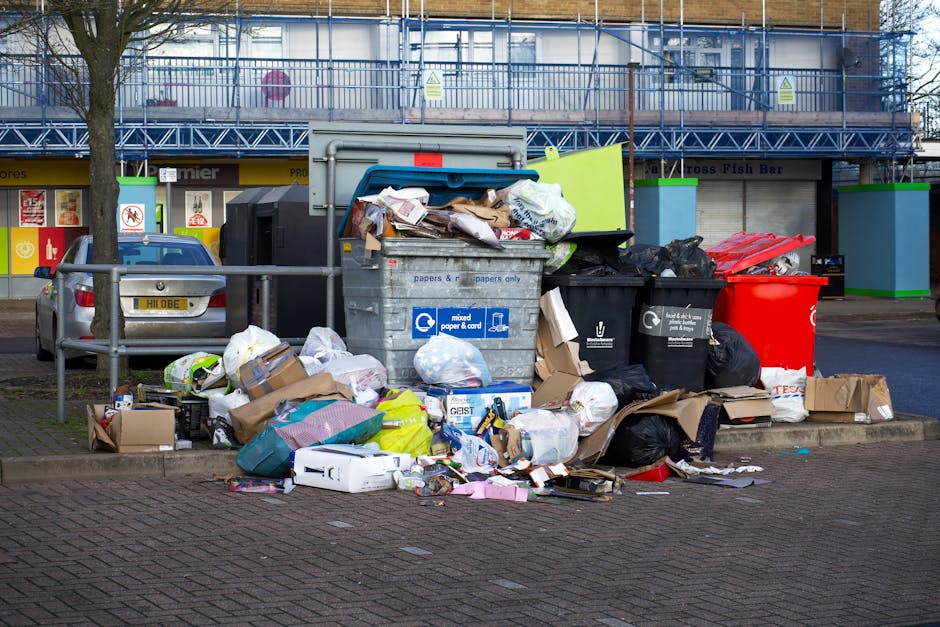
Why Real cost of rubbish removal in Islington 2026 prices Matters
Price matters for obvious reasons, but in rubbish removal it matters in a slightly sneaky way too. A cheap-looking quote can become expensive once you add labour, difficult access, bulky furniture, or waste that has to be sorted carefully. And in a dense area like Islington, those little details can change the job more than people expect.
The real cost is not just the number on the quote. It is the full picture: how much waste you have, how easy it is to remove, how quickly you need it gone, and whether the job needs specialist handling. A sofa from a ground-floor flat with parking nearby is one thing. The same sofa from a top-floor flat with a narrow staircase and no lift? Different story.
For households and businesses, understanding the real cost helps you avoid two common problems. First, overpaying for a simple job because you did not know what should be included. Second, under-budgeting and then having to delay the clearance because the quote changed halfway through. Nobody wants that. Not when there is already a hallway full of boxes staring at you.
It also matters because waste removal is one of those services where compliance, disposal route, and recycling standards can affect both price and peace of mind. If you want the job done properly, the cheapest option is not always the best value. In fact, it rarely is.
Practical takeaway: the real cost of rubbish removal in Islington depends on volume, weight, access, urgency, and disposal type. A clear quote should explain all five, not just give you a vague total.
How Real cost of rubbish removal in Islington 2026 prices Works
Most rubbish removal pricing in Islington follows a few familiar patterns. Some companies price by load size, some by labour time, and some use a combination of the two. For straightforward domestic jobs, a load-based price is common because it is easier to understand. For awkward or labour-heavy clearances, time and disposal costs may matter more.
Here is the basic flow:
- You describe the waste, often with photos.
- The company estimates how much space, labour, and disposal handling is needed.
- You receive a quote, sometimes with a minimum charge and optional extras.
- The team arrives, loads the waste, and removes it for sorting and disposal.
- The waste is taken to an approved facility or processing route, depending on the type of material.
That sounds simple enough. But in practice, the final price can move if the job turns out to be larger than expected, if access is tighter than described, or if there is mixed waste that needs separating. A job that starts as a quick collection can turn into a longer carry, more lifting, and more van space.
In Islington, access can be a bigger factor than people think. Flats above shops, shared entrances, basement storage, permit parking, and busy streets can all add minutes. And minutes matter. If a clearance team has to ferry items from the third floor in a narrow stairwell, you are paying for effort as much as space.
Another thing to keep in mind is waste type. General household rubbish is usually simpler. Builders waste, old appliances, mattresses, garden cuttings, or office clearances can need more handling. A mixed pile of everything-and-the-kitchen-sink is where quotes often become less predictable. To be fair, it is usually the mixed pile that causes the headache.
If you are comparing services, it helps to understand the broader range of options from services overview and then match the job to the right one. A domestic clear-out, a furniture removal, and a builders waste collection are not priced the same, and they should not be.
Key Benefits and Practical Advantages
Knowing the real cost is useful, but the benefit is bigger than money alone. When you understand how the price works, you can book with more confidence and less stress. You also avoid the classic trap of choosing the wrong service for the wrong job.
- Better budgeting: You can plan around the likely total rather than guessing and hoping.
- Fewer surprise charges: Clear pricing reduces disputes and awkward conversations on the day.
- Faster decisions: Once you know what affects the cost, you can compare quotes more quickly.
- Cleaner outcome: A properly scoped job is more likely to be cleared in one visit.
- Less stress: You do not spend the day wondering whether the price will double.
There is also a practical time-saving angle. In a busy part of London, especially if you are juggling work, family, or a property move, a same-day or scheduled clearance can remove a lot of friction. You look around the room and suddenly the place feels different. Lighter. Less cluttered. It sounds small, but you notice it.
For landlords and agents, the main advantage is predictability. When you know the likely cost bands for a clean-out or tenant turnover, you can make quicker decisions about what to remove and what to leave. For business owners, it is similar. A back-office clear-out or old stock removal is much easier to manage when the cost model is understood upfront.
And one more thing: good pricing tends to reflect good process. A company that asks sensible questions, wants photos, and explains disposal clearly is usually thinking properly about the job. That is a decent sign, frankly.
Who This Is For and When It Makes Sense
This topic is relevant to a lot of people in Islington, not just those with a mountain of black bags by the front door. If you live in a flat, run a shop, manage a rental, or are clearing a property after a move, the pricing question shows up quickly.
It makes sense if you are:
- clearing household rubbish after a declutter or renovation
- disposing of bulky furniture or white goods
- removing garden waste after a tidy-up
- emptying a loft, cellar, or storage room
- handling office rubbish or old fixtures
- working through a house clearance before sale or letting
The real cost also matters if you are deciding between council collection, private rubbish removal, or doing multiple trips yourself. Sometimes the council route is fine for a few items. Sometimes it is not. If the waste is bulky, time-sensitive, or awkward to move, paying for a private collection can be the sensible option.
A typical example: you have a broken wardrobe, two bookcases, and a few bags of mixed junk. You could try to dismantle everything yourself, hire a van, find parking, load it, and then still face disposal rules. Or you could get a clear quote and have the whole thing handled in one go. Which one is better depends on your time and tolerance for lifting awkward panels at 7:30 in the morning. Not everyone enjoys that sort of Saturday.
If your job is tied to a specific property project, it may help to look at related service pages such as house clearance in Islington or furniture removal in Islington to match the service to the actual waste, rather than forcing everything into one bucket.
Step-by-Step Guidance
Here is the simplest way to approach rubbish removal pricing without getting lost in the jargon.
1. List what you need removed
Be specific. Write down the large items, the bag count, and any awkward waste such as broken glass, heavy rubble, mattresses, or appliances. A "few bits" is not very helpful. Three broken wardrobes and ten bags is better. Much better.
2. Separate the easy stuff from the difficult stuff
Ask yourself what is easy to carry and what needs dismantling, lifting, or careful handling. The easy items usually cost less to move. The difficult ones often shape the labour part of the quote.
3. Check access before requesting a price
Think about stairs, lifts, parking, distance from the flat to the van, and whether there are any building rules. In Islington, this can make a real difference. A ground-floor office with loading access is not the same as a top-floor flat with a tight stairwell.
4. Ask what the quote includes
This is where many people go wrong. Ask whether the price covers labour, loading, fuel, disposal, parking challenges, and VAT if relevant. A quote should be clear enough that you are not left guessing. If it is vague, treat that as a warning sign.
5. Send photos where possible
Photos help a lot. One view from the doorway and one close-up of the waste usually tells a professional more than a long message ever will. It saves time, and often saves money because the quote is more accurate.
6. Compare more than just the headline price
Look at responsiveness, clarity, and what is excluded. The cheapest quote can become the expensive one if it misses key costs. Compare like with like. Otherwise you are not comparing properly at all.
7. Confirm timing and collection details
Same-day jobs, timed arrivals, and weekend slots may affect the price. If you need speed, say so early. If you do not, you may have more flexibility and a better rate.
That process sounds basic, but it stops most pricing problems before they start. Small effort upfront. Less drama later.
Expert Tips for Better Results
Over time, a few practical habits make rubbish removal cheaper, smoother, and less stressful.
- Group similar waste together. Mixed waste is harder to assess and can push the price up.
- Break down what you can safely dismantle. Flat-pack furniture in smaller pieces usually loads more efficiently.
- Be honest about the amount. Understating the load is a quick way to create friction on arrival.
- Mention access issues early. If there is no lift or parking is awkward, say so.
- Keep reusable items separate. If something can be donated or reused, do that before the clearance.
- Book at sensible times. Urgent same-day jobs can cost more than planned collections.
One small but useful tip: if you are clearing a flat in the evening, take a photo while the room is still in daylight. It is surprising how much easier it is to judge a pile when you can actually see it. The phone torch is not always your friend here.
Another tip is to think in zones. Put furniture in one area, bagged waste in another, and hazardous or special items apart. That helps the team work faster and reduces the chance of misclassification. Faster work usually helps the budget. Usually.
If recycling matters to you, look for services that explain how they handle sorting and recovery. A helpful starting point is recycling and sustainability, especially if you want to reduce what ends up as residual waste.
Common Mistakes to Avoid
Most rubbish removal pricing problems come from a few very ordinary mistakes. Nothing dramatic. Just small assumptions that snowball.
Assuming all waste is priced the same
A bag of household rubbish is not the same as a mattress, a plasterboard offcut, or a pile of broken furniture. Different materials can mean different handling and disposal routes.
Forgetting access costs
People often focus on the pile and forget the building. If the team has to carry items a long way, deal with stairs, or wait for parking, the job becomes more labour-heavy. That affects the price.
Not asking about hidden extras
Some costs are obvious. Others are tucked away until the end. Ask about parking, congestion, labour minimums, call-out fees, and whether heavy items are treated differently.
Choosing purely on the cheapest quote
This is the classic mistake. Cheap can be fine, but only if the quote is complete and the company is clear about disposal and collection. If the quote is unusually low, ask why.
Not checking compliance
Waste must be handled properly. If a provider cannot explain what happens to your rubbish after collection, that is not ideal. In fact, it is a bit worrying.
There is also a timing mistake people make: leaving the booking until the last minute and then paying a premium because they need the waste gone that day. Urgency has a price. Sometimes a big one.
Tools, Resources and Recommendations
You do not need fancy tools to estimate rubbish removal costs, but a few simple things help a lot.
- Your phone camera: take wide shots and close-ups of the waste.
- A rough item list: note the major items and bag count.
- Building details: floor level, lift access, parking restrictions, and entry points.
- Measurements if needed: especially for large furniture or awkward items.
- Budget range: decide what feels acceptable before you start comparing quotes.
For service planning, pages like rubbish collection in Islington and domestic waste collection in Islington can help you work out which type of collection fits your situation. If you are dealing with bigger or mixed items, waste removal in Islington gives a broader view of the job types people usually book.
For businesses, office move-outs and end-of-lease clearances often need a different approach. In those cases, office clearance in Islington or commercial waste removal in Islington may be more relevant than a general household collection.
If you are unsure whether something is furniture, appliance waste, or mixed junk, ask before booking. A two-minute question can prevent a very long afternoon.
Law, Compliance, Standards, or Best Practice
Waste removal is not just a pricing question. It also comes with legal and practical responsibilities. In the UK, you should use a provider that can handle waste responsibly and can explain how it is transported and disposed of. If a company cannot be clear about that, pause before booking.
Good practice usually includes proper documentation, safe handling, and responsible disposal through authorised routes. For you as a customer, the main point is simple: do not hand waste to someone who seems vague about where it is going. That can create problems later, especially if waste is fly-tipped or handled illegally.
This is particularly relevant for builders waste, bulky loads, and mixed materials. Certain items may need special handling, and not every quote will include those costs automatically. If you are clearing renovation waste, it is worth reading related guidance on builders waste disposal in Islington before you book.
If you are managing a commercial premises, compliance matters even more because waste duty of care and record-keeping expectations are taken more seriously in practice. For commercial clearances, a provider should be able to explain their process in a straightforward way.
One other best-practice point: keep a record of the quote and the collection details, especially for larger jobs. It does not need to be complicated. A message thread and a job summary are often enough. Simple is good. Simple is underrated.
Options, Methods, or Comparison Table
There are a few common ways to deal with rubbish in Islington, and each one suits a different situation. The right choice depends on volume, urgency, access, and how much effort you want to spend.
| Option | Best for | Typical pros | Typical drawbacks |
|---|---|---|---|
| Private rubbish removal | Bulky, mixed, or urgent waste | Fast, convenient, one visit | Can cost more than self-managed disposal |
| Council-style collection routes | Smaller, more manageable waste | Can be economical | May involve booking rules or limited item types |
| DIY van hire and disposal | People with time and lifting help | Control over timing | Fuel, labour, parking, and disposal effort fall on you |
| Mixed property clearance | Lofts, garages, voids, or end-of-tenancy jobs | Good for large clear-outs | Needs accurate assessment to avoid pricing issues |
For many Islington residents, private rubbish removal is the easiest route when the job is too large for normal bin collections but not large enough to justify a skip. Skips can be useful, but in busy streets and permit-sensitive areas they are not always practical. And nobody likes an expensive permit surprise, let's be honest.
If you want a clearer idea of what specialist clearances look like, furniture disposal in Islington, garden waste removal in Islington, and white goods and appliance disposal in Islington show how different item types can shape the job.
Case Study or Real-World Example
Picture a typical Islington flat clearance. Two wardrobes, one bed base, a small sofa, six black bags, and a few broken shelves from a spare room. Nothing outrageous. But the flat is on the third floor, there is no lift, and parking is tight because of nearby resident bays. That is the sort of job where the headline price only tells part of the story.
In a case like that, the quote is usually driven by three things: the amount of van space needed, the labour involved in carrying items down stairs, and whether the team can park close enough to work efficiently. If the customer had sent photos, the quote would likely be more accurate from the start. If not, the team may need to reassess on arrival. That can be fine, but only if everyone understands the basis of the price.
Now compare that with another common scenario: a ground-floor office needing old chairs, boxed paperwork, a few monitors, and a desk removed before a refit. Easier access, faster loading, lower labour effort. The total could be very different even if the van looks equally full at the end. That is the bit people miss.
Another real-world wrinkle is urgency. If the same flat clearance has to be completed the day before a move-out, the price may reflect the speed required. It is not just about rubbish. It is about scheduling a team, fitting the job in, and making sure it is done properly under time pressure.
If you are dealing with property turnover or refurbishment, loft clearance in Islington and house clearance in Islington are useful references for the kind of pricing factors that tend to appear in larger clear-outs.
Practical Checklist
Use this before you request quotes or book a collection.
- List every major item and estimate the bag count.
- Take clear photos from a few angles.
- Note the floor level, lift access, and parking situation.
- Separate general waste from bulky or specialist items.
- Ask whether labour, loading, and disposal are included.
- Check if there are extra charges for stairs, heavy items, or urgent bookings.
- Confirm collection time, payment method, and what happens on arrival.
- Make sure the provider can explain responsible disposal.
- Keep your quote and job details saved somewhere easy to find.
- Prepare the waste in a way that makes loading quicker and safer.
If you can tick most of those boxes, you are already ahead of the game. Seriously. It saves time, money, and a fair bit of back-and-forth.
Get a free quote today and see how much you can save.
Conclusion
The real cost of rubbish removal in Islington in 2026 is not just about the van turning up and taking things away. It is about load size, access, waste type, urgency, and how clearly the provider explains what is included. Once you understand those moving parts, the whole process becomes far easier to judge.
If you are clearing a flat, dealing with bulky furniture, or managing a bigger property job, the smartest move is to get a quote that reflects the actual work, not a rough guess. That is how you avoid hidden extras and choose a service that feels fair on the day.
At the end of the day, good rubbish removal should feel simple. A quick message, a clear price, a tidy collection, and one less thing hanging over you. That's the goal, really. Nice and steady.