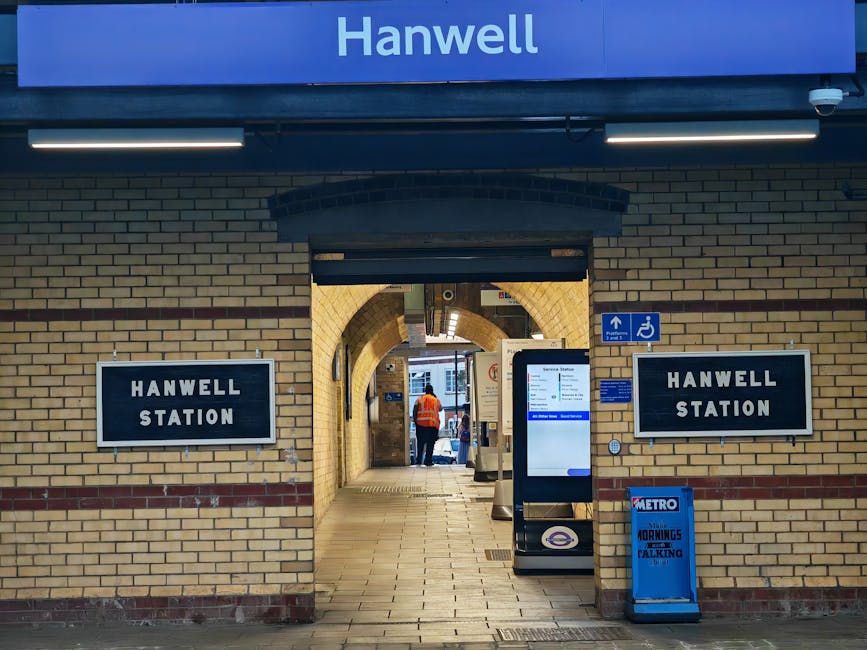
Rubbish removal for Angel Station N1 local guide
Posted on 26/05/2026
If you live, work, or manage property near Angel Station, rubbish has a funny way of building up just when life is already busy. A flat move in Islington, a shop refit off Upper Street, a loft clear-out after months of "I'll deal with that later" - it all creates the same problem: bulky, awkward waste that needs removing properly. This guide to rubbish removal for Angel Station N1 gives you a clear, local, no-nonsense way to handle it.
We'll look at how the service works, what to expect, how to compare options, and what good practice looks like in a dense part of North London where access, parking, and timing can make or break the job. You'll also find practical tips, a checklist, and a few local realities that weaker guides tend to skip. Truth be told, that's usually where the headaches start.

Why Rubbish removal for Angel Station N1 local guide Matters
Angel is one of those parts of London where space always feels slightly borrowed. Flats are compact, stairwells can be narrow, and shared entrances often get busy at the worst possible time. That means rubbish removal is rarely just about "getting rid of stuff". It's about doing it without blocking a hallway, annoying neighbours, or leaving a pile on the pavement that turns into an eyesore by lunchtime.
A good local rubbish removal plan matters for three big reasons. First, it protects your time. Hauling broken furniture or bagged waste to a van yourself can swallow a whole day. Second, it helps you avoid the mess, stress, and risk that come with lifting heavy items through tight spaces. And third, it supports proper disposal and recycling, which is especially relevant if you care about reducing landfill and doing things the right way.
For local residents and businesses, the stakes are practical. A landlord preparing a changeover, a cafe on a side street, or a family clearing out after a house move all need a service that fits the realities of the area. If you need a broader overview of what a professional service can include, the services overview is a useful place to start. For homes in particular, domestic waste collection in Islington can be a sensible match when the job is more routine than bulky.
Key takeaway: around Angel Station, the best rubbish removal is not just fast; it is careful, legal, and well planned for the realities of a busy N1 neighbourhood.
How Rubbish removal for Angel Station N1 local guide Works
At its simplest, rubbish removal is a collection-and-disposal service. You tell the provider what needs taking away, they estimate the load, confirm a price or booking method, and then send a team to collect the waste from your property or kerbside, depending on the arrangement. The better services will also sort recyclable materials and separate items that need special handling.
In a local area like Angel Station, the process often includes a few extra considerations. Can a van stop nearby without causing a problem? Is there lift access, or does everything need carrying down stairs? Is the waste mixed, or mostly one category, such as furniture or builders' rubble? These details matter because they affect time, labour, and disposal route.
Many customers first discover they need a more specific service. A flat renovation may fit builders waste disposal in Islington. An office clear-out may be better suited to office clearance in Islington. A garage or spare room full of old sofas, wardrobes, and sideboards often points to furniture removal in Islington or, if you are only disposing of items, furniture disposal in Islington.
Here is the usual flow:
- You describe the rubbish or send photos.
- The company assesses volume, access, and any special items.
- A quote or estimate is provided.
- A collection time is arranged.
- The team removes, loads, and disposes of the waste.
- Reusable or recyclable materials are sorted where possible.
That is the simple version. In real life, timing and access can be the difference between a quick tidy job and a slightly fraught morning involving a parked delivery van and a very narrow street. You know the type.
Key Benefits and Practical Advantages
The most obvious benefit is convenience, but that barely scratches the surface. Good rubbish removal saves effort, reduces risk, and often gets better results than a do-it-yourself trip to the tip, especially in central and inner-London areas where parking is not exactly generous.
- Less lifting and carrying: helpful for bulky, awkward, or heavy waste.
- Faster turnaround: ideal when you need a room, shop floor, or entrance cleared quickly.
- Better waste handling: items can be separated for recycling, reuse, or specialist disposal.
- Reduced disruption: especially important in flats, shared buildings, and busy commercial streets.
- More predictable planning: you can book around move dates, tenant handovers, or works schedules.
There is also a quieter benefit: peace of mind. If you have ever stared at a pile of mixed rubbish and thought, "Right, where does that even begin?", you will understand. A tidy, professional removal process makes the whole thing feel more manageable.
For people who want a disposal service with a strong environmental angle, recycling and sustainability explains the kind of approach many residents now expect. And if you are comparing costs before deciding, the pricing and quotes page gives you a useful sense of how to think about value rather than just headline price.
| Benefit | Why it matters near Angel Station | Typical user |
|---|---|---|
| Speed | Reduces clutter in tight urban spaces | Tenants, landlords, small businesses |
| Safety | Less heavy lifting in stairs and narrow hallways | Families, older residents, office teams |
| Access management | Useful where parking or loading is limited | Flats, mews properties, retail units |
| Sorting and recycling | Helps divert reusable waste away from landfill | Environmentally conscious customers |
Who This Is For and When It Makes Sense
Rubbish removal near Angel Station is relevant to a wider group than many people think. It is not only for households doing a full clear-out. In practice, it suits anyone dealing with waste that is too bulky, too awkward, or too much to manage easily.
Common situations include:
- Flat moves and end-of-tenancy clearances
- Replacing old furniture after a refurb
- Shop, cafe, or office decluttering
- Post-renovation builders waste
- Loft or basement clearance
- Garden waste after seasonal pruning
- White goods and appliance disposal
For households, it can make sense when the council collection is not suitable for the item size or timing. For businesses, it is often about keeping the premises presentable and safe for staff and customers. A cluttered office is not just untidy; it can quietly drag down efficiency. If that sounds familiar, commercial waste removal in Islington and rubbish collection in Islington are worth comparing.
It also makes sense when you are dealing with items that are difficult to move safely: a fridge at the back of a kitchen, a wardrobe jammed into a first-floor room, or a stack of old boards and broken plaster after works. To be fair, that is where many DIY plans quietly collapse.
Step-by-Step Guidance
If you want a smooth experience, a little preparation goes a long way. You do not need to overthink it, but you do need a clear plan. The best collections are usually the ones where the customer has done a quick walk-through first.
1. Identify what needs removing
Walk through the space and separate general rubbish from bulky items, recyclables, and anything that may need special treatment. Keep an eye out for sharp edges, broken glass, or damp waste. A quick photo on your phone can be surprisingly useful later.
2. Check access properly
Ask yourself: can items be moved without damaging walls, stairs, or shared areas? Is there a lift? Where can a van stop? In Angel, these little access details matter more than people expect. They can influence both price and timing.
3. Choose the right service type
If you only need a few items collected, a simple rubbish collection may be enough. If you have whole rooms to empty, a clearance service will usually be the better fit. For example, a full flat declutter may lean toward house clearance in Islington, while attic contents might suit loft clearance in Islington.
4. Get a clear quote
Ask what is included. Is loading covered? Is there a minimum charge? Are there extra fees for heavy, hazardous, or hard-to-access items? A quote should feel understandable, not like a guessing game in small print.
5. Prepare the waste for collection
Place items where possible access is easiest, but do not block exits or communal routes. Keep hazardous or restricted materials separate. If you are unsure whether something can be taken, ask before the team arrives.
6. Confirm disposal and recycling approach
Responsible providers should be able to explain how waste is handled. You do not need a lecture, just a clear answer. A decent company will know what gets recycled, what is reused, and what must be treated separately.
7. Keep a record if needed
For landlords, agents, or businesses, keeping a note of what was removed and when can help with compliance and handovers later. Small thing, big payoff.
Expert Tips for Better Results
Here are a few practical tips that tend to save people time and money, especially in a busy part of London where everything takes an extra five minutes if you leave it too late.
- Send photos before you book. This helps avoid underestimating the volume or missing awkward items hidden behind larger ones.
- Group similar materials together. Mixed loads are fine, but sorting easier materials in advance can improve efficiency.
- Be realistic about access. If parking is tight or the waste is on an upper floor, say so early. It helps everyone.
- Separate reuse from disposal. A usable table or chair might be better donated or repurposed. Waste removal is not always the first answer.
- Book around your life, not against it. If you have a move, delivery, or contractor due, leave breathing room. A rushed pickup can become a mildly chaotic one.
One small local insight: in dense residential streets, the best time slot is often the one that avoids school runs, deliveries, and peak foot traffic. It sounds obvious until you are standing outside with a mattress and nowhere to put it. Been there, regrettably.
If you are improving a property around Angel, broader area knowledge can help too. The guide to Islington's neighbourhood appeal gives a useful sense of how local streets, housing styles, and day-to-day life shape service needs. And for property owners thinking longer term, investing wisely in Islington property is a helpful read alongside clearance planning.
Common Mistakes to Avoid
The biggest mistakes are usually simple ones. Not dramatic, just annoying enough to cause delay, extra cost, or a second visit. That's the part people forget.
- Leaving booking too late: especially if you have a move-out deadline or building works schedule.
- Assuming all waste is the same: furniture, builders waste, garden waste, and appliances can involve different handling.
- Forgetting access issues: stairs, lifts, permits, and loading restrictions all matter.
- Not asking about recycling: a provider should be able to explain their approach.
- Mixing prohibited items with general rubbish: if something needs special handling, say so from the start.
- Choosing only on price: the cheapest option is not always the best if it is slow, unclear, or unsafe.
Another common issue is overestimating how much can fit into a van. It happens all the time. A room can look like "not much" until you start carrying sofas, shelving, and bags down three flights of stairs. Suddenly, it's a different story.
Tools, Resources and Recommendations
You do not need special tools for a standard collection, but a few simple things make the process smoother.
- Phone camera: for photos of the waste and access points.
- Measuring tape: useful for bulky furniture and tight doorways.
- Gloves and sturdy footwear: sensible if you are moving light items yourself.
- Bin bags or boxes: for sorting loose waste.
- Labels or marker pen: handy for separating items to keep, recycle, or remove.
For readers who want a service with broader support, the company's about us page is useful for understanding the approach behind the work. If you value reassurance on safety and handling, insurance and safety is worth reading too. And if you want to know how payments are handled, payment and security covers that side of things.
If your waste includes old washing machines, fridges, microwaves, or similar items, check white goods and appliance disposal in Islington. Appliances can look simple until you reach the point of unplugging, lifting, and deciding where they should actually go. Not exactly glamorous work.
Law, Compliance, Standards, or Best Practice
Waste removal in the UK should be handled with care and, ideally, by a business that follows recognised legal and environmental expectations. You do not need to become a compliance expert yourself, but you should know the basics.
For most customers, the key principle is straightforward: your waste should go to a legitimate operator, and the company should be able to show it takes compliance seriously. If you are hiring someone to remove rubbish, it is reasonable to ask whether they hold appropriate waste carrier credentials and how they manage disposal. That is not being fussy. It is sensible.
A few best-practice points are worth keeping in mind:
- Use a provider that can explain how waste is transported and disposed of.
- Keep records for business clearances where practical.
- Do not leave waste on the pavement without checking local rules and timing.
- Handle hazardous, sharp, or electrical items carefully.
- Ask questions if a quote sounds vague or unusually cheap.
You can read more about responsible operating standards on the waste carrier licence and compliance page. If you are the sort of person who likes to check the fine print before committing, the terms and conditions page is also useful. For privacy and data handling, there is a privacy policy and cookie policy available too.
Options, Methods, or Comparison Table
There is no single right way to remove rubbish near Angel Station. The best method depends on the amount, type, urgency, and access conditions. Here is a simple comparison to help you decide.
| Method | Best for | Pros | Watch out for |
|---|---|---|---|
| DIY tip run | Small, manageable loads | Can be cheap if you already have transport | Time-consuming, parking, lifting, sorting rules |
| Kerbside collection | Limited waste that can be placed outside safely | Convenient and simple | Local rules, timing, weather, and neighbourhood impact |
| Man-and-van style rubbish removal | Mixed household or business waste | Fast, flexible, loads handled for you | Pricing varies by volume and access |
| Full clearance service | Flats, offices, lofts, or entire rooms | Best for larger or more complex jobs | Needs clearer planning and accurate descriptions |
For many Angel Station customers, the middle ground works best: a professional collection that is quick enough for urban living, but flexible enough to cope with stairs, bins, and awkward items. If you are dealing with a whole property rather than a few bags, the more specific services like house clearance or loft clearance are usually better than a one-size-fits-all pickup.
Case Study or Real-World Example
Picture a typical scenario near Angel Station. A landlord needs to turn around a one-bedroom flat after a tenant move-out. There is an old mattress, a broken chair, several bags of mixed rubbish, and a small pile of leftover shelving from a DIY attempt that never quite got finished. Nothing dramatic. Just enough to slow the whole process down.
The landlord sends photos, including the narrow stairwell and the awkward corner by the front door. The provider spots the access challenge early, estimates the load, and arranges a morning collection to avoid the busiest foot traffic. The team arrives, removes everything in one visit, and sorts the waste for appropriate disposal. The flat is ready for cleaners later that day. Nice and tidy. No drama, which is honestly the best kind of clear-out.
What made the difference?
- Clear photos before booking
- Realistic access information
- Choosing a service matched to the load size
- Planning around the rest of the handover schedule
That kind of planning is easy to overlook. But in practice, it's what saves time and stress.
Practical Checklist
Use this checklist before you book rubbish removal near Angel Station. It keeps things simple.
- List everything that needs removing.
- Take photos of the waste and access route.
- Measure bulky items if space is tight.
- Confirm whether any items need special handling.
- Check if the waste is from a home, office, or building project.
- Decide whether you need collection, clearance, or a specialist service.
- Ask about recycling and disposal methods.
- Confirm the quote includes loading and labour.
- Make sure the access route is clear on the day.
- Keep a record if the removal is for business or landlord use.
Quick tip: if you are unsure whether something counts as furniture, builders waste, or general rubbish, describe it rather than trying to classify it perfectly. A good provider can usually guide you.
Conclusion
Rubbish removal for Angel Station N1 is really about making a complicated urban chore feel straightforward. Whether you are clearing a flat, emptying an office, getting rid of old appliances, or simply reclaiming space that has become a storage graveyard, the right approach saves effort and keeps things safe and compliant.
The best results come from a mix of clear communication, realistic timing, and choosing a service that fits the job rather than forcing the job to fit the service. That is the difference between a smooth collection and a slightly chaotic afternoon with a wobbling wardrobe in the hallway. And nobody needs that.
If you are comparing providers, it helps to look beyond the headline price and think about access, disposal standards, and how well the service fits your actual needs. A little care up front can make the whole thing easier, cleaner, and far less annoying than it first appears.
Get a free quote today and see how much you can save.
And if you are still weighing up your options, take your time. A good local rubbish removal plan should leave you feeling lighter, not rushed.