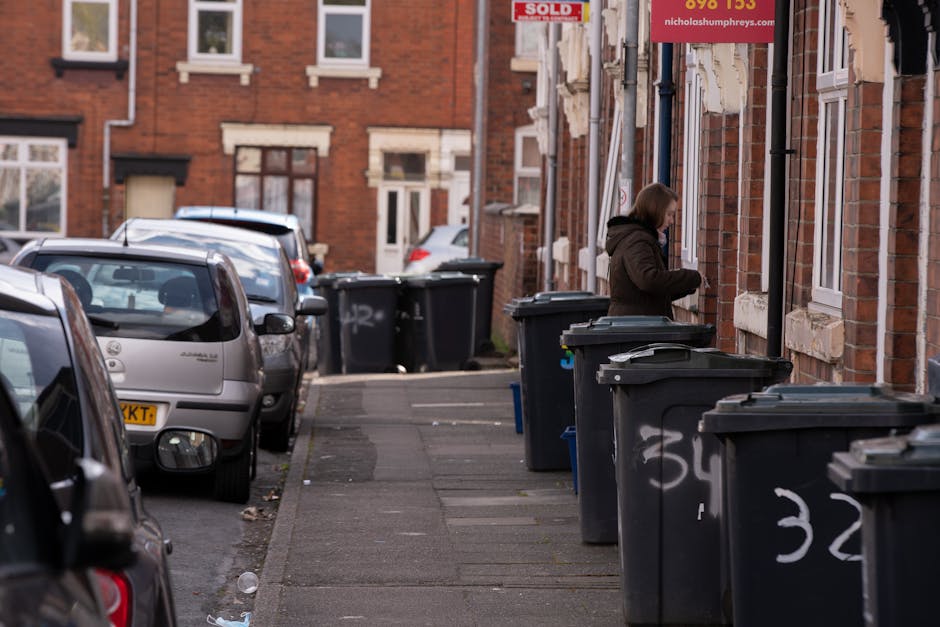
Upper Street house clearance and rubbish collection advice
Posted on 13/06/2026
Upper Street House Clearance and Rubbish Collection Advice
If you are clearing a flat, family home, or a small commercial space on or near Upper Street, the job can feel bigger than it first looks. One minute you are sorting a few unwanted chairs and a broken lamp; the next, you are facing a full loft, a hallway stacked with boxes, and a bin area that suddenly looks far too small. That is where good Upper Street house clearance and rubbish collection advice makes a real difference.
This guide brings together the practical stuff people usually want to know: what to clear first, how to separate reusable items from true waste, what to do with bulky pieces, how to avoid common mistakes, and how to choose a sensible disposal route without creating extra stress. A tidy plan saves time, reduces lifting, and helps you avoid those awkward half-finished piles that seem to multiply overnight. Let's be honest, they do have a talent for that.
Whether you are preparing a property for sale, dealing with a tenancy change, clearing after a move, or simply trying to reclaim space, the approach matters. Upper Street is busy, buildings vary a lot, and access is not always simple. So a bit of local know-how goes a long way.
Why Upper Street house clearance and rubbish collection advice Matters
Upper Street sits in a part of London where homes, shops, and small offices often sit very close together. That sounds convenient, and it is, but it also means clearance work can create friction fast if it is not planned properly. A bulky sofa left in the wrong place, a bin store blocked by bags, or a removal vehicle arriving at the busiest time of day can turn a simple job into a headache for everyone involved.
Good advice matters because clearance is rarely just about "getting rid of things". It is about sorting, prioritising, lifting safely, choosing the right disposal route, and protecting the property. If you are clearing a place that has been lived in for years, there may also be sentimental items, confidential paperwork, old appliances, and things that can be reused rather than treated as waste.
There is also a planning angle. On streets like Upper Street, access can be tight, parking can be awkward, and neighbours will notice noise and congestion. A well-organised clearance keeps disruption down, which is especially useful in apartment blocks or mixed-use buildings. To be fair, that bit alone can save you a lot of apologising later.
And then there is the environmental side. More people now want to make the reuse/recycling choice first, and that is sensible. If you separate items carefully, you may be able to redirect furniture, appliances, or metal items into more suitable streams instead of sending everything away as mixed rubbish. For readers who want a broader sustainability angle, the site's recycling and sustainability page is a useful companion piece.
How Upper Street house clearance and rubbish collection advice Works
In practical terms, the process usually starts with a quick assessment of what needs removing and what needs to stay. That sounds obvious, but it is where many jobs either go smoothly or go sideways. A good clearance plan separates the property into categories: reusable items, recyclable materials, general rubbish, hazardous or awkward items, and anything that needs special handling such as white goods or heavy furniture.
Once those categories are clear, the work becomes more manageable. Small items can be bagged or boxed. Furniture can be dismantled if needed. White goods may need safe handling because of weight, residual liquids, or electrical components. Garden waste, loft contents, builders' debris, and domestic rubbish all tend to need different treatment, even if they are being removed from the same address.
On a local level, the next practical step is usually deciding which service type fits best. Some people need a full house clearance service in Islington. Others only need a simple rubbish collection for loose household waste. A flat with a few bulky items might be better suited to furniture removal, while a larger declutter may combine several service types. That mix-and-match approach is often the most efficient, truth be told.
For anyone with mixed waste, it helps to think in layers. First layer: what can be reused. Second: what can be recycled. Third: what truly needs disposal. If you build the job around that order, the waste load usually shrinks before the vehicle even arrives.
Key Benefits and Practical Advantages
There are a few obvious benefits to getting clearance and collection advice right, but the less obvious ones are often the most valuable.
- Less stress on the day - you are not making rushed decisions while standing in a cluttered hallway.
- Safer lifting and handling - heavy or awkward items are managed with more care.
- Better use of space - rooms, stairwells, and loading points stay clearer.
- Reduced chance of waste being mixed incorrectly - which makes sorting and disposal cleaner.
- More suitable outcomes for reusable items - furniture or appliances may avoid unnecessary disposal.
- Fewer access problems - especially important where parking, stairs, or narrow entrances are involved.
One thing people often underestimate is the emotional benefit. Clearing a property can be tiring, especially if it is tied to a move, a bereavement, or a long-overdue reset. When the process is planned well, it feels less like a mountain and more like a series of small, achievable jobs. That shift matters.
If you are comparing service approaches, the broader waste removal page and the services overview can help you understand how different types of waste are usually handled.
Who This Is For and When It Makes Sense
This advice is useful for a wide mix of people. You might be a landlord turning over a rental flat after tenants move out. You might be a homeowner finally clearing years of attic storage. You might be helping a relative downsize, or dealing with the aftermath of a refurbishment where old furnishings and packaging have taken over the place.
It also makes sense for estate agents, letting agents, and property managers who want a property ready for viewing without lingering clutter. On Upper Street especially, presentation counts. A clear space photographs better, smells fresher, and feels more move-in ready. If the property is near one of the area's many busy commercial strips, time saved can be especially valuable.
Some common scenarios include:
- End-of-tenancy clear-outs
- Probate or sensitive household clearances
- Pre-sale decluttering before marketing a property
- Furniture replacement and bulky item removal
- Loft, basement, or storage-room clearances
- Small office or workspace clearances linked to a home address
If the job includes a lot of furniture, it is worth looking at furniture disposal options too, because sofas, wardrobes, and bed frames usually need more thought than ordinary bagged rubbish.
Step-by-Step Guidance
Here is a sensible way to approach an Upper Street clearance without letting it snowball.
- Walk the property and label the problem areas. Start with the rooms or storage areas that contain the most clutter. Do not try to sort everything in your head. That rarely works for long.
- Create four sorting groups. Keep, donate/reuse, recycle, and dispose. If you need a fifth group for confidential or sensitive items, add it.
- Remove obvious hazards first. Broken glass, loose nails, unstable stacks, and damaged appliances should be identified early.
- Separate bulky items. Large furniture, mattresses, white goods, and garden debris are much easier to deal with when they are not buried under smaller items.
- Check access. Measure doorways, look at stair turns, and think about where a collection vehicle can stop safely.
- Decide whether you need a full clearance or a targeted collection. A loft full of mixed items may need a different approach from a one-off sofa removal.
- Prepare the items for pickup. Bag loose waste, tape shut boxes if needed, and keep sharp or fragile materials clearly separated.
- Confirm what should not be mixed. Paints, chemicals, and certain electrical items often need careful handling. If in doubt, ask before the day rather than guessing.
- Complete a final sweep. Check cupboards, behind doors, under beds, and in corners. The little things hide there.
For households with a lot of loose waste, a smaller domestic collection route may suit better than a full-scale clearance. In that case, domestic waste collection in Islington is often the more practical fit.
Expert Tips for Better Results
In our experience, the difference between a smooth job and a chaotic one usually comes down to preparation. The property does not need to be perfectly neat before collection, but it should be predictable. If the team knows where the bulky items are and what kind of waste they are dealing with, the visit tends to be far quicker.
Tip 1: clear the route before the team arrives. Hallways, stairwells, and doorways should be as open as possible. Even moving one chair can make a difference on a narrow staircase.
Tip 2: keep mixed waste in separate piles. A bag of general rubbish next to a box of reusable books is easy to sort if you have labelled things sensibly. Without that, everyone ends up second-guessing.
Tip 3: think about the end location first. If an item is going to be reused, donated, recycled, or disposed of, decide that before lifting it downstairs. It sounds small, but it stops the whole job from becoming a moving game of musical chairs.
Tip 4: do the obvious tests. Is the wardrobe still structurally sound? Is the fridge empty and unplugged? Is the box heavier than it looks? If so, pause. A heavy box full of books can be a stubborn little monster.
Tip 5: ask about item-specific services. Some clearances are simpler when specific items are split out. For example, white goods and appliance disposal may be better than trying to fit a washing machine into a general household pile.
If you are dealing with a bigger job, also consider whether the contents include office-style material, archived files, or desk equipment. A general household service may still work, but there are times when office clearance is the cleaner option.

Common Mistakes to Avoid
Most problems with house clearance are avoidable. That is the reassuring bit. The less reassuring bit is that the same mistakes crop up again and again.
- Leaving sorting until collection day. This creates delays and confusion.
- Assuming every item can go in one pile. Different materials need different handling.
- Ignoring access issues. A service vehicle is no good if it cannot park or load safely.
- Forgetting the loft or storage cupboard. These are classic "oh yes, that too" spaces.
- Mixing reusable items with damaged waste. That can reduce the value of what could otherwise be passed on.
- Overlooking safety risks. Old glass, damp cardboard, and unstable furniture are all more awkward than they first look.
- Not checking credentials. Waste should always be handled by a properly licensed and compliant carrier.
A very common one in older properties: people focus on the main rooms and then discover a packed loft, a half-hidden basement corner, or a garden shed that turns the project into a second job. It happens all the time. That is why a full walkthrough matters.
If you want to understand how the business side should work, the waste carrier licence and compliance page is useful background reading before you book anyone in.
Tools, Resources and Recommendations
You do not need specialist equipment for every clear-out, but a few basic items make the job easier and safer.
- Strong bin bags and rubble sacks for loose waste and mixed light material
- Marker pens and labels so you can identify piles quickly
- Box cutters or screwdrivers for dismantling flat-pack furniture
- Gloves and sturdy footwear to protect hands and feet from sharp edges
- Tape and ties for securing boxes and bundled materials
- Measuring tape if you need to check whether a large item will fit out of the property
For many people, the most useful resource is actually a simple note on the phone listing what is staying, what is going, and what needs special care. Nothing fancy. Just a running list you can update while standing in a room that is half full of boxes and slightly too warm because you have been moving things for an hour. Very glamorous, this life.
If you are weighing up service types, the following pages can help you narrow the choice:
- house clearance for full or partial property clear-outs
- rubbish collection for simpler household waste removal
- furniture removal for bulky household items
- builders waste disposal if the job follows light refurbishment work
Law, Compliance, Standards, or Best Practice
For house clearance and rubbish collection, best practice is not just about tidy work. It is also about proper waste handling. In the UK, waste must be transferred to a legitimate carrier and managed responsibly. If someone offers to take your waste cheaply but cannot explain where it goes, that is not a small detail. It is a warning sign.
A good operator should be able to explain the basics in plain language: what they take, how they sort it, what happens to reusable items, and what is done with recyclable material. They should also handle access carefully and protect shared areas such as stairwells, lifts, and entryways. That is especially important in block properties where one careless move can scratch a wall or cause a neighbour complaint.
Safety matters too. Heavy lifting, sharp edges, dust, and awkward furniture all create risks. If you are clearing a property yourself, do not be shy about slowing down. Break large tasks into smaller ones. Use help for heavy items. Take a second look at anything that feels unstable. Common sense is underrated, honestly.
Where mixed waste is involved, separating streams early is still the best habit. It helps support better reuse and recycling outcomes, and it also makes the collection process clearer for everyone involved. If you want more background on responsible disposal, the site's recycling and sustainability information is a sensible next stop.
Options, Methods, or Comparison Table
Not every clearance job needs the same method. Sometimes you want the simplest route; sometimes you want the most complete one. Here is a practical comparison.
| Option | Best for | Typical advantage | Watch out for |
|---|---|---|---|
| Full house clearance | Whole homes, probate properties, end-of-tenancy clear-outs | Comprehensive and efficient for large jobs | May be more than you need if only a few items are going |
| Targeted rubbish collection | Bagged waste, small declutters, limited mixed rubbish | Quick and straightforward | Not ideal for bulky or dismantling-heavy items |
| Furniture removal | Sofas, wardrobes, tables, bed frames | Good for heavy, awkward items | Access and dismantling may still be needed |
| White goods disposal | Fridges, washing machines, freezers, cookers | Safer handling for heavy appliances | Check item condition and access before collection |
| Specialist waste removal | Mixed waste, larger clear-outs, awkward combinations | Flexible and efficient | May need clearer sorting at the start |
One small but important observation: the "best" method is often not the biggest one. A compact flat with three bulky pieces and a few bags of waste may only need targeted removal. Choosing a full clearance when you only need a partial one is a bit like taking a van to fetch a sandwich.
Case Study or Real-World Example
Here is a realistic example. A tenant moves out of a two-bedroom Upper Street flat, leaving behind a mix of old bedding, a damaged dining chair, a broken fan, boxes of books, and a couple of kitchen items that are still usable. The landlord wants the place ready for fresh decorating and new photographs within a few days.
The sensible approach is not to throw everything into one heap. First, the books and usable kitchen items are separated. Then the furniture is checked to see whether anything can be dismantled without damaging the walls or stairs. The broken items are kept apart from the reusable ones. The hallway is cleared first so that the larger pieces can come out cleanly. Finally, the removal plan is matched to the actual load rather than guessed in advance.
The result is simple enough: less time wasted, less clutter lingering in the property, and fewer last-minute surprises. The landlord gets the property ready sooner. The team doing the work does not have to keep stepping over half-sorted piles. Everyone wins, which is rare enough to be worth noticing.
In a slightly different scenario, a homeowner clearing a loft may discover a few boxes of clothes, old suitcases, and an unwanted chest of drawers. That job might benefit from a loft clearance approach rather than a general rubbish pickup, simply because the access, weight, and sorting needs are different.
Practical Checklist
Use this checklist before booking or starting the clearance:
- Have you listed everything that needs removing?
- Have you separated reusable items from rubbish?
- Do any items need special handling, such as appliances or sharp materials?
- Is the access route clear from the room to the exit?
- Have you checked stairwells, lifts, and parking access if relevant?
- Do you know whether you need house clearance, rubbish collection, furniture removal, or a mix?
- Are valuables, paperwork, and sentimental items safely removed first?
- Have you confirmed that the waste carrier is compliant and properly licensed?
- Have you decided what should happen to reusable items?
- Have you allowed enough time for sorting rather than rushing everything at the last minute?
Expert summary: the best Upper Street clear-outs are the ones that look boring from the outside. That usually means the sorting was done early, the access was planned, and the waste stream was kept sensible. Not glamorous, but very effective.
Conclusion
Upper Street house clearance and rubbish collection advice is really about making a potentially messy task feel controlled. When you sort items properly, match the service to the job, and think through access and compliance before collection day, the whole process becomes easier. That is true whether you are clearing a family home, a rental flat, a loft, or just a stubborn pile of bulky waste that has been bothering you for months.
The best results usually come from simple habits: start early, separate carefully, and choose the right disposal route for each type of item. It does not need to be a huge ordeal. In fact, once the first room is done, the rest often feels lighter. You can almost hear the space breathing again.
If you are weighing up the next step, it is worth comparing the job properly before you lift a single box. A little planning now can save time, stress, and unnecessary repeat trips later on.
Get a free quote today and see how much you can save.