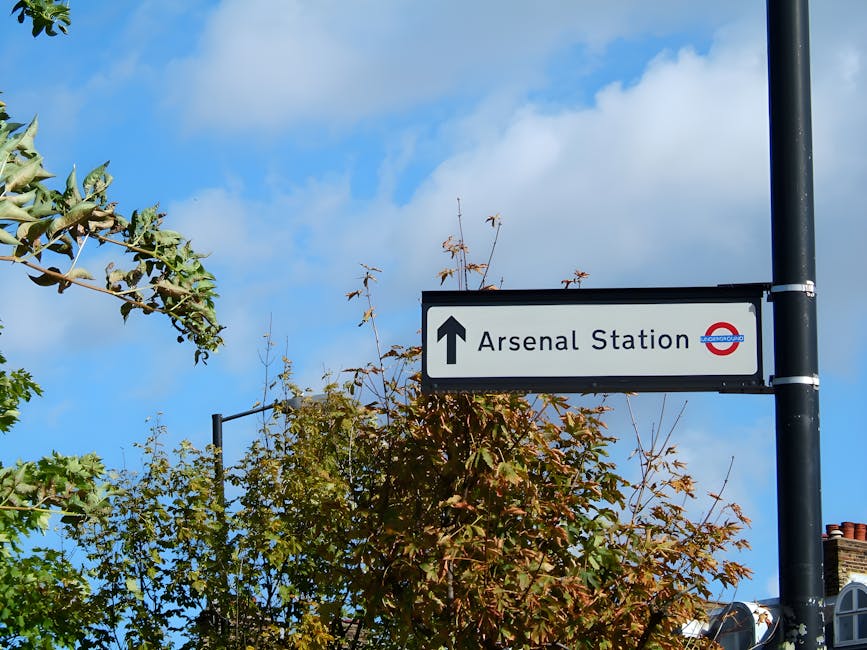
What to do if rubbish pickup is delayed in Islington
Posted on 21/06/2026
If you've put the bin out on time, heard the lorry rumble past the street, and then realised your rubbish still hasn't gone, it can be maddening. A delayed collection is more than a small inconvenience in Islington. It can mean extra smells, blocked pavements, complaints from neighbours, and a very awkward few days if you run a busy home, shop, flat, or office.
This guide explains what to do if rubbish pickup is delayed in Islington, how to work out whether it's a one-off delay or something bigger, and what practical steps help you keep things under control while you wait. We'll keep it clear, local, and useful. No waffle. Just the kind of advice that helps on a Tuesday morning when the bags are already piling up.
Why What to do if rubbish pickup is delayed in Islington Matters
In a dense part of London, a delayed bin collection doesn't stay "just your problem" for long. Bags left outside can attract gulls, foxes, and rain. They can spill onto the pavement. They can block access for pedestrians, pushchairs, wheelchair users, or delivery trolleys. And in a street where everyone is already working around parked cars, narrow kerbs, and the usual Islington rush, even a small backlog can feel bigger than it should.
For households, the issue is mostly hygiene and space. For businesses, it can become a customer-experience problem fast. Nobody wants to open a cafe to the smell of yesterday's food waste. Nobody wants shop stock boxed in by black sacks. Truth be told, delays are one of those things that start as an annoyance and end as a little crisis if they're ignored.
It also matters because the right response can prevent repeat problems. If you know how to check the cause, store waste safely, and decide when to switch to a contingency option, you'll usually save yourself time and a fair bit of stress. That's especially true for domestic waste collection in Islington and for commercial premises that need bins cleared on a strict schedule.
How What to do if rubbish pickup is delayed in Islington Works
A delayed pickup usually falls into one of a few buckets. Sometimes the round is simply running late because of traffic, roadworks, staffing, or an access issue. Sometimes the crew came but couldn't safely collect the waste. Sometimes the collection was missed entirely and needs to be rearranged. And sometimes there's a misunderstanding about what was meant to be collected in the first place.
The practical part is this: your best next step depends on what kind of delay you're dealing with. If the bins are still sitting there at lunchtime and the street has a few other missed collections too, that often points to a wider operational delay. If only your property was skipped, look at access, presentation, contamination, and whether the waste was placed out correctly.
For many Islington residents, the immediate job is simple: keep the waste contained, document what happened, and avoid making the situation worse by adding loose bags or dangerous items to the pile. If you are managing a business or a shared building, the same logic applies, just with a bit more urgency because people notice faster.
Key Benefits and Practical Advantages
Handling a delayed collection well gives you more control than most people expect. It's not glamorous, but it works. A tidy, well-managed response reduces smell, mess, and complaints. It also makes it easier to prove that you did your bit if you later need to escalate the issue.
- Less mess: tightly stored waste is less likely to spread across a pavement or courtyard.
- Better hygiene: food scraps and packaging are contained, which helps keep pests away.
- Clearer communication: notes, photos, and timings help when you need to report the delay.
- Lower risk of fines or disputes: especially where waste is left in a way that affects neighbours or public access.
- Quicker recovery: if the delay is prolonged, you can switch to an alternative removal option without scrambling.
There's also a quieter benefit: peace of mind. You stop staring out of the window every half hour wondering if the crew will appear. A plan makes the situation feel less messy, even if the bags are still there for the moment.
Who This Is For and When It Makes Sense
This advice is for anyone in Islington who depends on regular waste collection. That includes flat-share households, families, landlords, tenant associations, retailers, cafes, offices, hospitality venues, construction teams, and property managers. It also helps if you've recently had a one-off clean-up and are waiting on a bulky item removal.
It makes sense to use this approach when:
- your bin day has passed and the waste is still outside;
- you've noticed other properties nearby also missed collection;
- there's a strong smell, a spill, or animal activity starting;
- a business opening, inspection, event, or delivery schedule depends on clear access;
- you need a backup plan because overflow is becoming a real issue.
It's also useful if your waste type is a bit more awkward than normal household rubbish. Mixed bulky items, white goods, garden cuttings, builders' spoil, and office clutter all behave differently. If you need to move quickly, services such as rubbish collection in Islington or white goods and appliance disposal in Islington may be the more practical route.
Step-by-Step Guidance
Here's the straightforward version. If your rubbish pickup is delayed, don't just wait and hope. Work through the problem in order.
- Check the collection day and presentation time. Make sure the waste was put out correctly and not after the scheduled window. A surprising number of missed collections start with a simple timing mismatch. Happens all the time.
- Look for local signs of a wider delay. If neighbouring properties, shared bins, or nearby businesses also still have waste outside, it may be a route-wide issue rather than your property alone.
- Inspect the waste itself. Is it too heavy, overfilled, contaminated, or mixed with items that shouldn't be in that stream? A crew may skip a bin if it looks unsafe to lift.
- Keep the waste secure. Close lids, double-bag loose rubbish where needed, and move everything away from entrances if possible. Don't leave sacks where they can be torn open by weather or birds.
- Document the delay. Take a couple of clear photos and jot down the time, the collection day, and any obvious issues. This is dull admin, yes, but it helps.
- Report the issue through the right route. Use the normal collection contact method for your setup. If you use a private provider, share the photos and details so they can see exactly what's going on.
- Prepare a fallback plan if the delay continues. If the waste is building up or the miss will cause disruption, arrange a short-notice alternative collection. For larger loads, waste removal in Islington can be a practical back-up when regular pickup is no longer enough.
One small but important point: keep anything hazardous or sharp separate. Broken glass, needles, chemicals, and leaking liquids should never be left mixed into general waste. If in doubt, isolate the item and get specialist guidance rather than making a bad situation worse.
What to do in the first 30 minutes
If you realise the pickup has been delayed and the bags are already outside, start with containment. Move waste to the safest possible spot, close lids, and keep walkways clear. Then check whether the delay seems local or property-specific. That first half hour sets the tone, honestly.
What to do by the end of the day
If there's still no collection by late afternoon, escalate with photos and a clear note of what was due to be picked up. For shared buildings and business premises, tell the relevant person now rather than waiting until tomorrow. Delays have a habit of becoming "someone else's issue" if nobody owns the next step.
Expert Tips for Better Results
In our experience, the people who deal with delayed pickups best are the ones who stay calm and methodical. They don't overreact, but they also don't do nothing. That balance matters.
- Label waste streams properly. If you separate recycling, food waste, general rubbish, and bulky items, the crew is more likely to know what they're dealing with.
- Use containers with lids where possible. Lidded bins reduce smell and keep animals out. Simple, but effective.
- Keep access clear. Overhanging branches, parked bikes, locked gates, or awkwardly placed sacks can all create avoidable collection problems.
- Avoid last-minute overfilling. If the bin is already brimful, stop adding bags. A stuffed bin is more likely to be left behind.
- Plan around busy periods. After parties, move-outs, office refits, or shop refits, schedule extra clearance in advance rather than hoping the usual pickup will cope.
If you run a premises in a lively part of Islington, it can help to think ahead about your surroundings. For example, a venue near nightlife spots may produce more mixed waste than expected, while a shop near Chapel Market may have peak waste volumes that don't fit neatly into normal timings. For those situations, a local guide like the Chapel Market rubbish collection guide for shops can be a useful read alongside your regular collection plan.
And one slightly boring but very useful tip: keep a little log. Not a full spreadsheet unless you enjoy that sort of thing. Just a note of delays, dates, and follow-ups. It saves arguments later. Very unglamorous, but there we are.
Common Mistakes to Avoid
Most problems with delayed rubbish pickup get worse because of a few avoidable mistakes. The good news is that these are easy to spot once you know them.
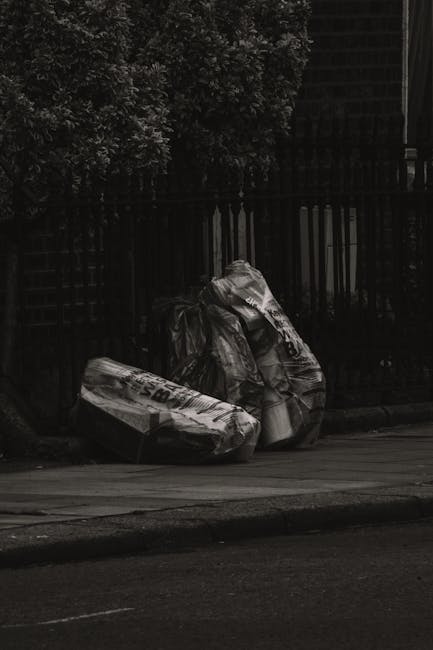
- Leaving bags on the pavement for too long. This creates a nuisance and can draw complaints quickly.
- Mixing prohibited items into general waste. Batteries, paint, sharps, and certain electrical items can cause collection refusal.
- Assuming the delay will sort itself out. Sometimes it does. Sometimes it absolutely doesn't.
- Failing to document the issue. Without photos or timings, it can be hard to get a clear answer later.
- Booking emergency help too late. If the waste is already causing disruption, waiting another day can turn a manageable delay into a proper mess.
- Ignoring access problems. A locked gate, blocked pavement, or poorly placed bin is often the real reason behind a missed stop.
Another common slip is calling everything "rubbish" and leaving it at that. But collection crews often work by waste type. A broken fridge, a sofa, garden clippings, and builder's rubble are not the same thing. If your pile includes furniture, it may be better handled through furniture disposal in Islington or furniture removal in Islington rather than a standard bin pickup.
Tools, Resources and Recommendations
You do not need a mountain of tools to deal with a delayed collection. A few simple things help a lot.
- Phone camera: for photos of the missed pickup, the waste set-out, and any access issue.
- Timer or note app: to record when the waste was put out and when you noticed the miss.
- Strong bin liners or spare containers: for re-bagging loose waste safely.
- Gloves and basic cleaning supplies: especially useful if a bag has split or food waste is leaking.
- Alternative disposal options: useful if the delay is going to affect daily life or trading hours.
For bigger clear-outs, it can help to look at service information before the problem gets urgent. The services overview is a sensible starting point if you want to understand the range of waste support available. If you're comparing options, pricing and quotes can also help you judge what fits a short-notice job.
For businesses in particular, it is worth understanding how payment, security, and compliance are handled. Waste is one of those areas where trust matters. A lot. Look at payment and security and waste carrier licence and compliance if you want to be confident you are using a properly managed service.
Law, Compliance, Standards, or Best Practice
For householders, the main thing is to present waste responsibly and avoid creating a nuisance. For businesses, the expectations are stricter. You are generally expected to keep waste contained, store it safely, and use a legitimate carrier for removal. You also need to make sure you are not placing waste out in a way that blocks public access or creates a health issue.
Best practice in London is simple enough: separate waste where possible, keep the area tidy, use appropriate containers, and deal with any delay promptly. If a collection is missed, don't leave waste to drift into the street and hope nobody notices. They will notice. Usually when you would rather they didn't.
If you work in a commercial setting, it also makes sense to review your own waste arrangements rather than rely entirely on goodwill. A cafe, office, or retail unit may need a more dependable schedule than a one-size-fits-all bin plan. That's where commercial waste removal in Islington can be a better fit, especially if the consequences of a missed pickup are immediate.
For anyone dealing with food waste, keeping it out of general rubbish wherever possible is a smart move. It reduces smell, helps with separation, and supports better collection outcomes. If you want a broader look at waste reduction in the community, this piece on food waste and community action is a useful read.
Options, Methods, or Comparison Table
If your rubbish pickup is delayed, you usually have three practical options: wait, escalate, or arrange an alternative removal. Which one makes sense depends on how bad the delay is and how quickly the waste is becoming a problem.
| Option | Best for | Pros | Limitations |
|---|---|---|---|
| Wait for the next collection update | Short route delays, minor inconvenience | No extra cost, simplest option | Can leave waste outside longer than ideal |
| Escalate the issue with evidence | Missed stops, unclear responsibility, repeated delays | Creates a record and may speed up resolution | Still depends on the provider's response time |
| Book an alternative rubbish removal service | Overflow, urgent business needs, health or access concerns | Fast relief, reduces disruption | Usually involves a separate cost |
For a one-off overflow, a quick clearance may be the best route. For a longer-term pattern, it is better to rethink the collection setup altogether. If you have bulky items, loft contents, or mixed clear-out waste, a more tailored option such as house clearance in Islington, loft clearance in Islington, or office clearance in Islington may be more efficient than waiting around for a standard bin round.
Case Study or Real-World Example
Imagine a small cafe near Angel on a busy weekday. The food waste and packaging were set out in the usual spot before opening. By late morning, the bins were still there, the temperature was creeping up, and staff were trying to keep the front door area tidy for customers coming and going. Not a disaster yet, but definitely a problem in motion.
The manager checked a few nearby businesses and saw the same thing: collections had not happened street-wide. That suggested a delay, not a one-off mistake. So they moved the bins to a quieter side access point, added fresh liners where possible, photographed the waste, and kept customer-facing areas clear. Because the waste was a mix of general rubbish and some heavier items, they arranged a short-notice follow-up collection rather than waiting another full cycle.
The useful part here is not the cafe itself. It is the approach. They didn't panic. They contained the issue, gathered proof, and picked a solution that fit the pressure they were under. That kind of response is often what separates a bad afternoon from a truly awful one.
Similar logic applies in other local situations too. A shop near a market street may need a different plan than a quiet residential block. A flat on a tight pavement may need extra care with access. A renovated property might need a one-off removal after builders have finished. If that sounds familiar, a local guide such as rubbish removal for Angel Station N1 or bulky rubbish removal near Highbury Fields can be helpful context.
Practical Checklist
Use this quick checklist when a rubbish pickup is delayed in Islington.
- Confirm the scheduled collection day and time window.
- Check whether nearby properties also missed their pickup.
- Make sure the waste was presented correctly.
- Look for contamination, overfilling, or access problems.
- Keep waste secure, closed, and away from walkways.
- Take photos and note the time of the delay.
- Report the issue through the relevant channel.
- Prepare a backup plan if the delay affects health, access, or business operations.
- Separate bulky, electrical, or special waste if needed.
- Review your long-term waste setup if delays keep happening.
Expert summary: the best response to a delayed collection is usually a simple one: contain the waste, document the issue, check whether it's local or wider, and escalate early if it's starting to affect daily life. Small actions first. Big panic later is rarely helpful.
Conclusion
A delayed rubbish pickup in Islington is irritating, but it does not have to take over your day. Once you know how to spot the cause, keep the waste contained, and decide whether to wait or act, the whole thing becomes much more manageable. That's the real win here: less mess, less stress, and fewer awkward surprises for neighbours, customers, or staff.
Use the delay as a prompt to tighten up your waste routine, especially if the same thing keeps happening. A small improvement now can save a lot of bother later. And if the situation has already crossed from inconvenient to urgent, it's sensible to get a proper clearance plan in place rather than trying to brute-force your way through another day of overflowing bags.
Get a free quote today and see how much you can save.
Sometimes the best thing you can do is handle the mess calmly, then give yourself a cleaner slate for tomorrow. Simple, really.